From Classroom to Practice
Bangalore School of Design and Technology's Architecture Internship Program
5-minutes reading
Between July and September 2026, five architecture students from the Bangalore School of Design and Technology (BSDT), India, participated in an approximately ten-week university group internship program in Bali, Indonesia. Developed in collaboration with Bali Internships, the program combined professional architecture placements with a complementary academic experience involving guided field lectures, specialist workshops, and opportunities to learn directly from architects, structural engineers, and local craftspeople.
For Darshan, Gokul, Shiva, Anjika, and Alina, the experience introduced them to architectural practice in a different country, where construction materials, environmental conditions, design methods, and professional working cultures could be examined outside their familiar academic environment. It was also an opportunity to experience international professional life together, taking their first steps toward understanding the responsibilities, challenges, and opportunities awaiting them in the architecture industry.
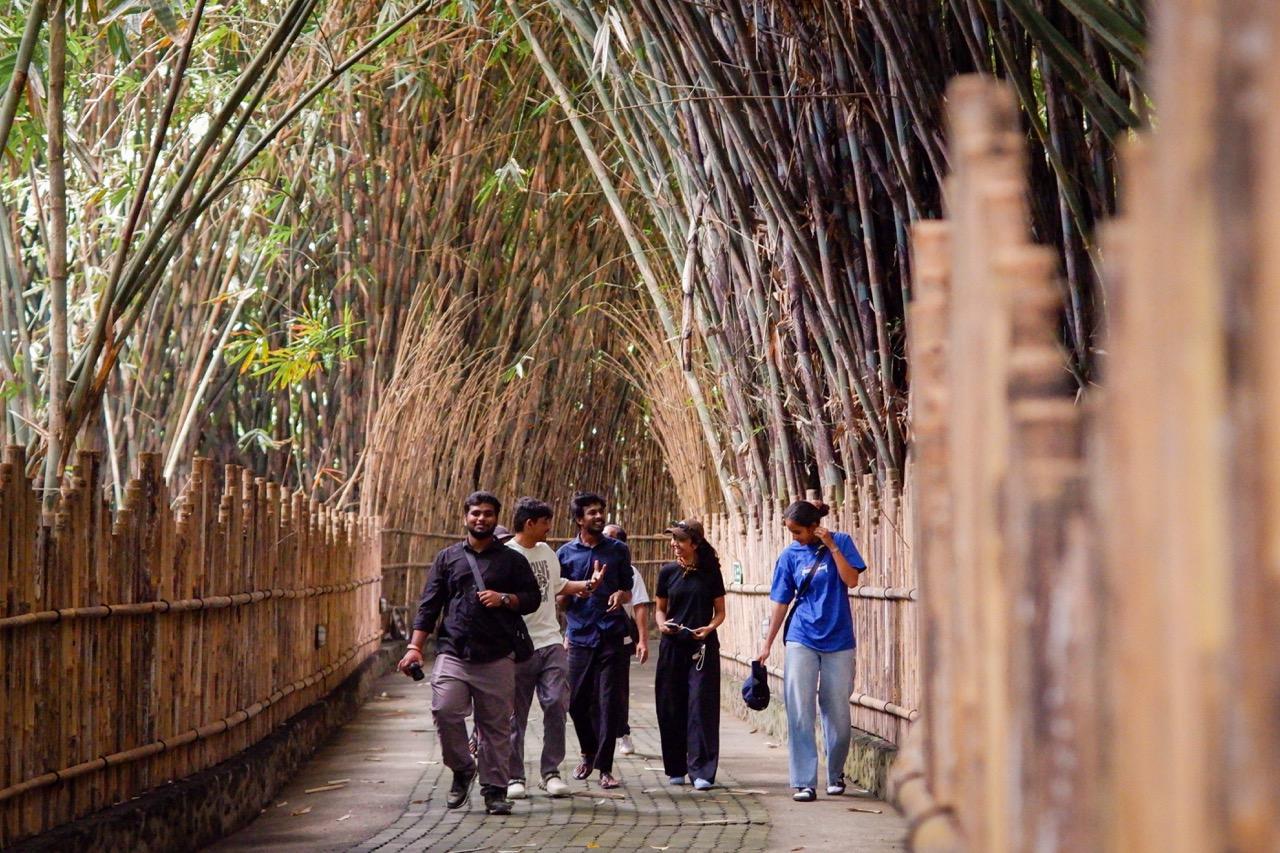
BSDT architecture students explore the bamboo forest at Penglipuran Village, experiencing firsthand the natural material that became an important part of their architectural studies in Bali.
From Architectural Concepts to Professional Practice
Architecture education develops students' understanding of design principles, construction techniques, building materials, structural systems, and spatial relationships. Professional practice introduces another dimension to that knowledge, where architectural decisions must respond to actual sites, available materials, construction methods, client expectations, and the practical realities of bringing a design to life.
During their internships in Bali, the BSDT students became involved in architectural assignments ranging from concept development and spatial planning to technical drawings, three-dimensional modeling, and design discussions with experienced professionals. Their work also exposed them to site conditions and construction processes that required them to reconsider how architectural ideas are developed and implemented.
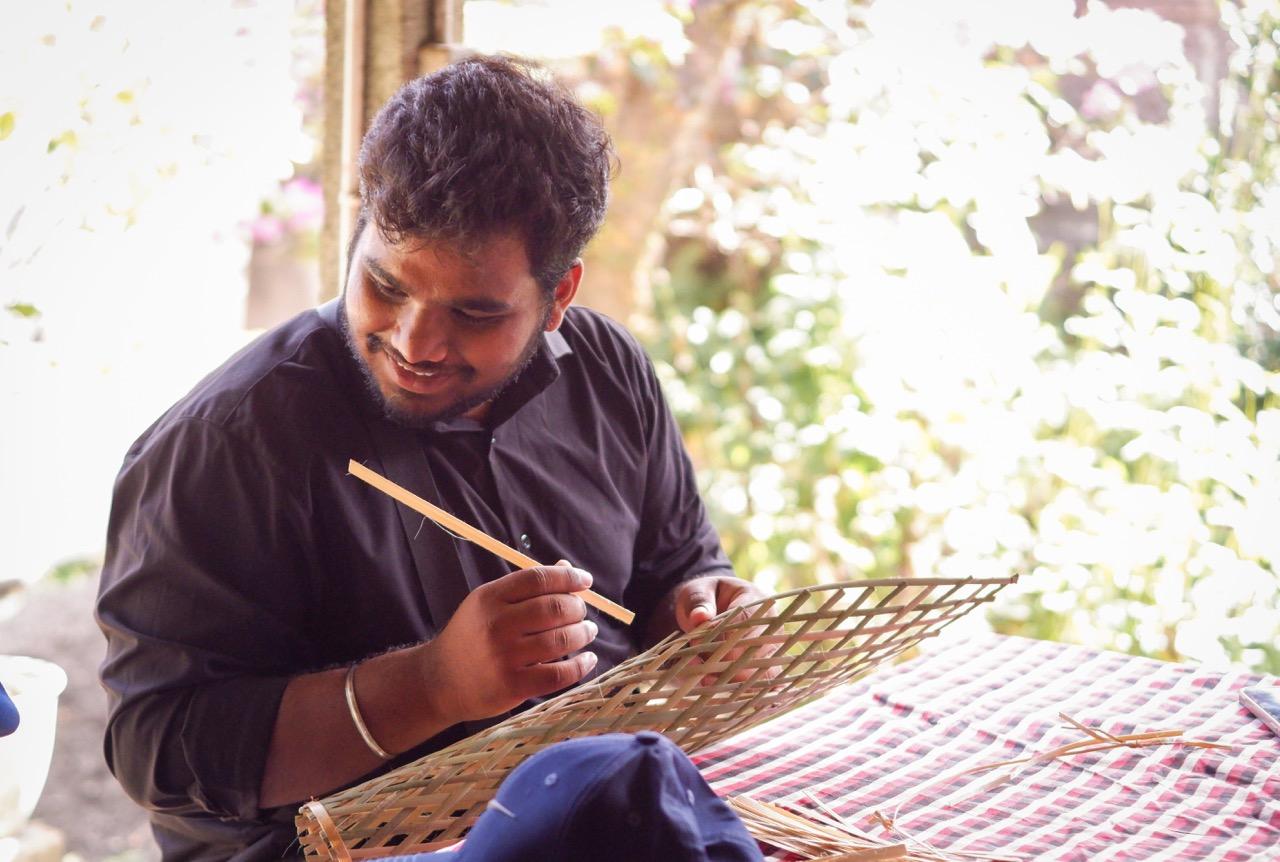
Gokul enjoying a hands-on bamboo construction workshop in Gianyar, learning traditional building techniques and craftsmanship directly from local artisans.
Gokul, for example, worked on a modular architectural concept that required individual components to be assembled, dismantled, and transported. Although the design appeared relatively straightforward, developing a functional modular system introduced technical questions about connections, portability, and the relationship between individual structural elements.
For Shiva and Anjika, an architectural assignment involving sloping terrain presented a different challenge. Their design considerations included changes in elevation, limited building space, existing vegetation, and the need to position structures within a natural landscape. The process required them to work around existing trees while considering spatial arrangements and building orientation.
Alina, meanwhile, found bamboo architecture particularly challenging. Having previously worked mainly with more conventional construction approaches, she discovered that designing with bamboo involved different structural forms, curved elements, and detailing requirements. The experience encouraged her to approach architectural drawings and models from a new perspective.
These assignments introduced the students to a fundamental aspect of architectural work: a design must do more than communicate an idea. It must also account for how that idea can be constructed, maintained, and used.
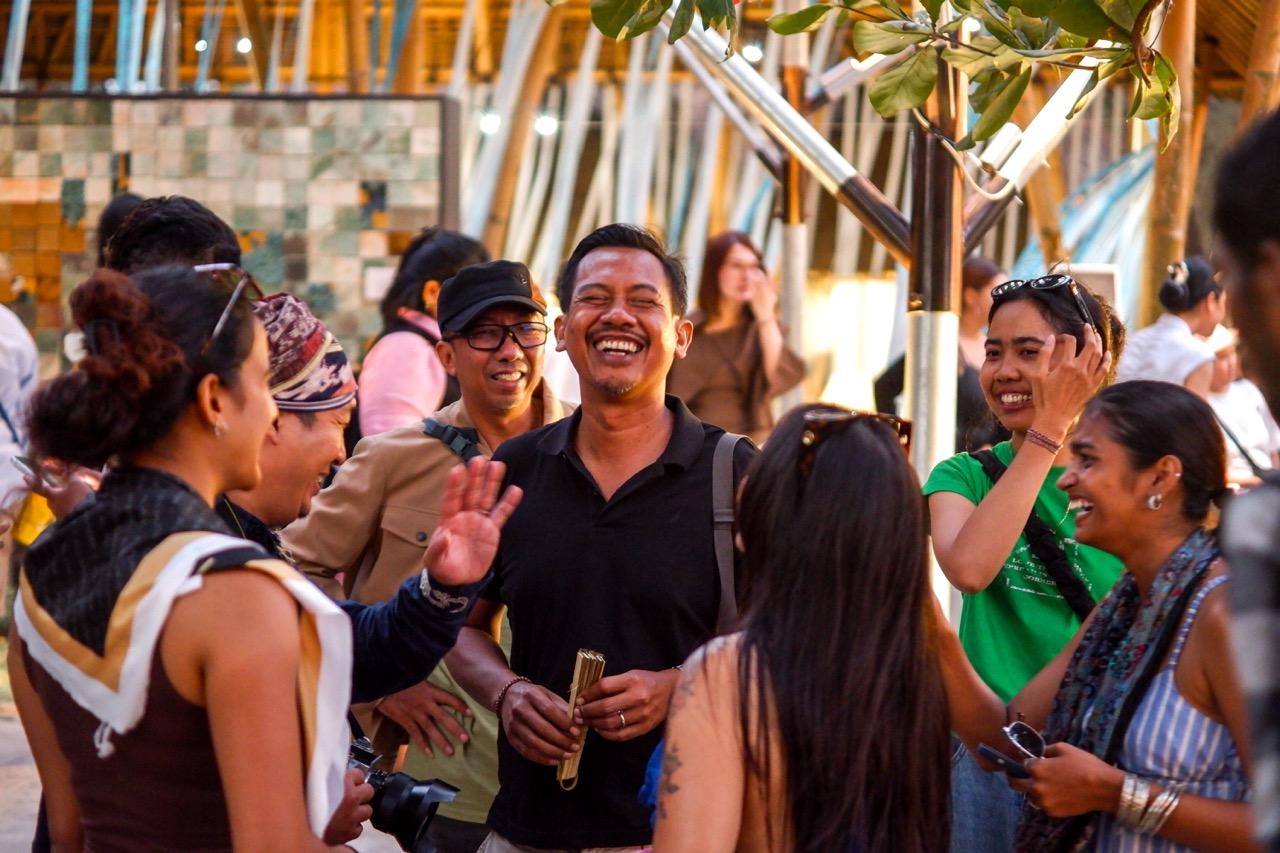
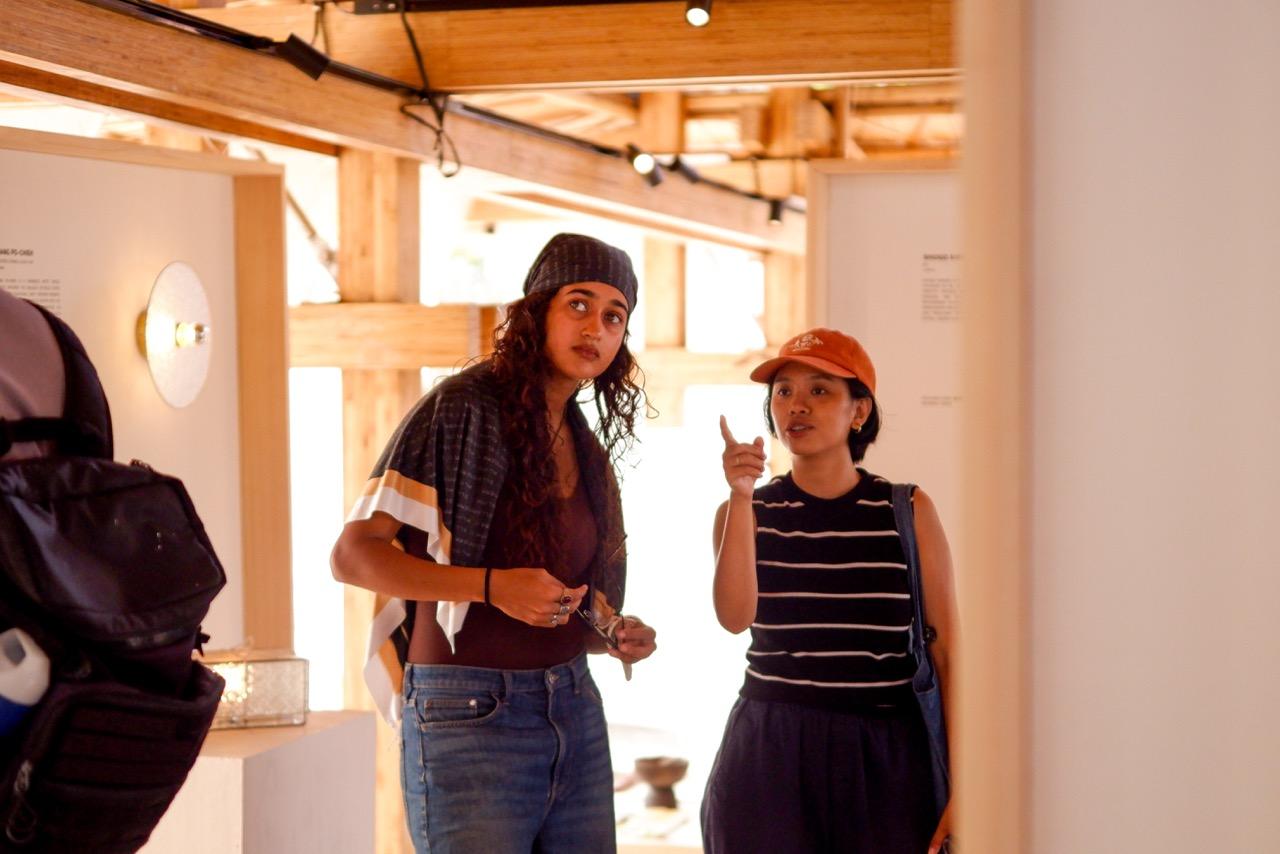
A cheerful moment with architect Mr. Chiko and the BSDT students at JIA Curated, where they explored contemporary design and connected with creative industry professionals.
Learning from the People Behind Architecture
The students' professional learning extended to the people responsible for developing and constructing architectural projects. Throughout their placements, they worked alongside experienced architects and other professionals, observing how ideas are discussed, developed, revised, and communicated between different members of a working team.
For Darshan, an important observation was the relationship between professional knowledge and the way people work together. He appreciated how experienced practitioners communicated with clients, guided younger team members, and worked directly alongside the people responsible for construction and craftsmanship.
Gokul valued the opportunity to develop his own design ideas while receiving guidance from mentors who encouraged him to examine problems and work toward solutions. He also found architectural site observations particularly useful because they revealed practical considerations that might not be immediately apparent from drawings. As he explained during his interview, even when a design looks convincing on paper, observing the completed structure can reveal issues that architects need to anticipate in future projects.
For the students, these experiences contributed to a broader understanding of architectural practice as a collaborative profession involving designers, engineers, construction workers, artisans, and clients, each bringing different responsibilities and expertise to the development of a project.
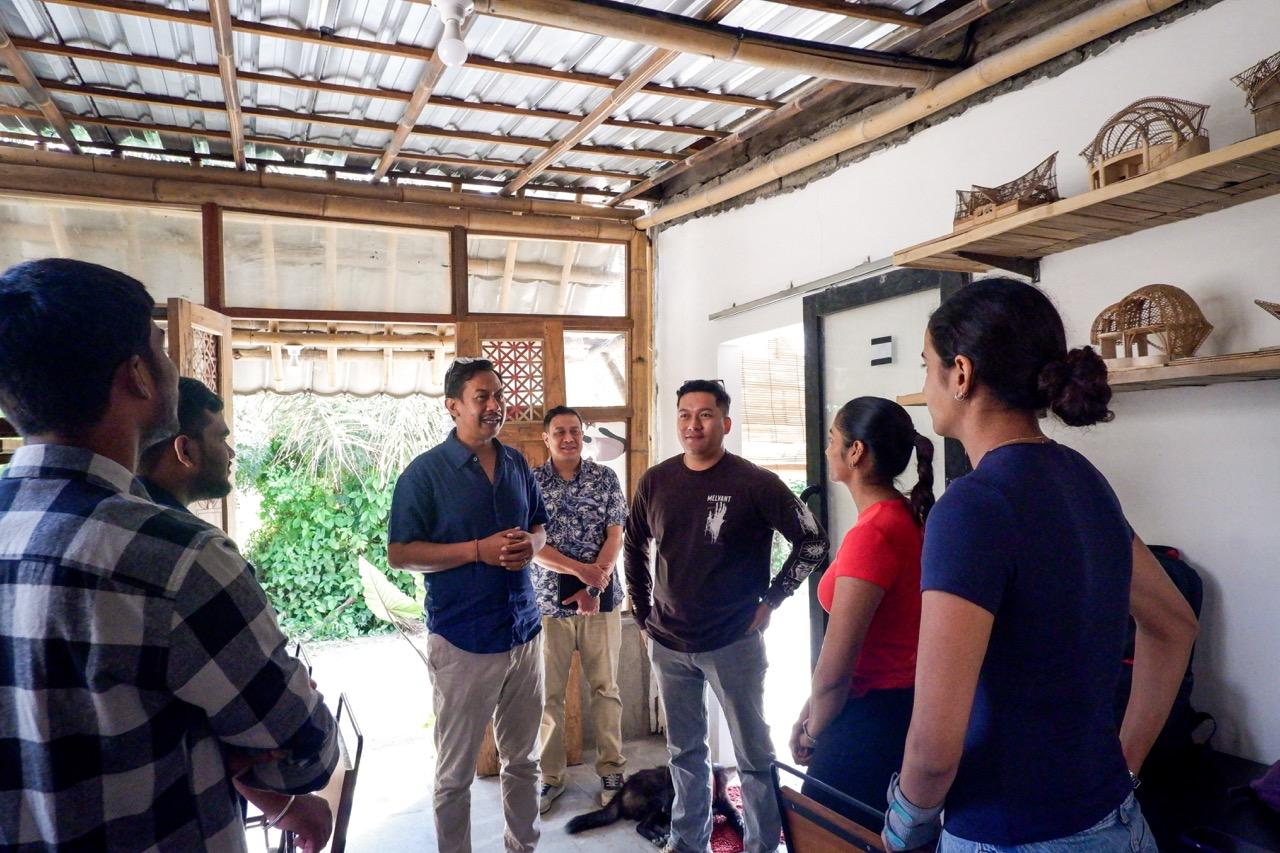
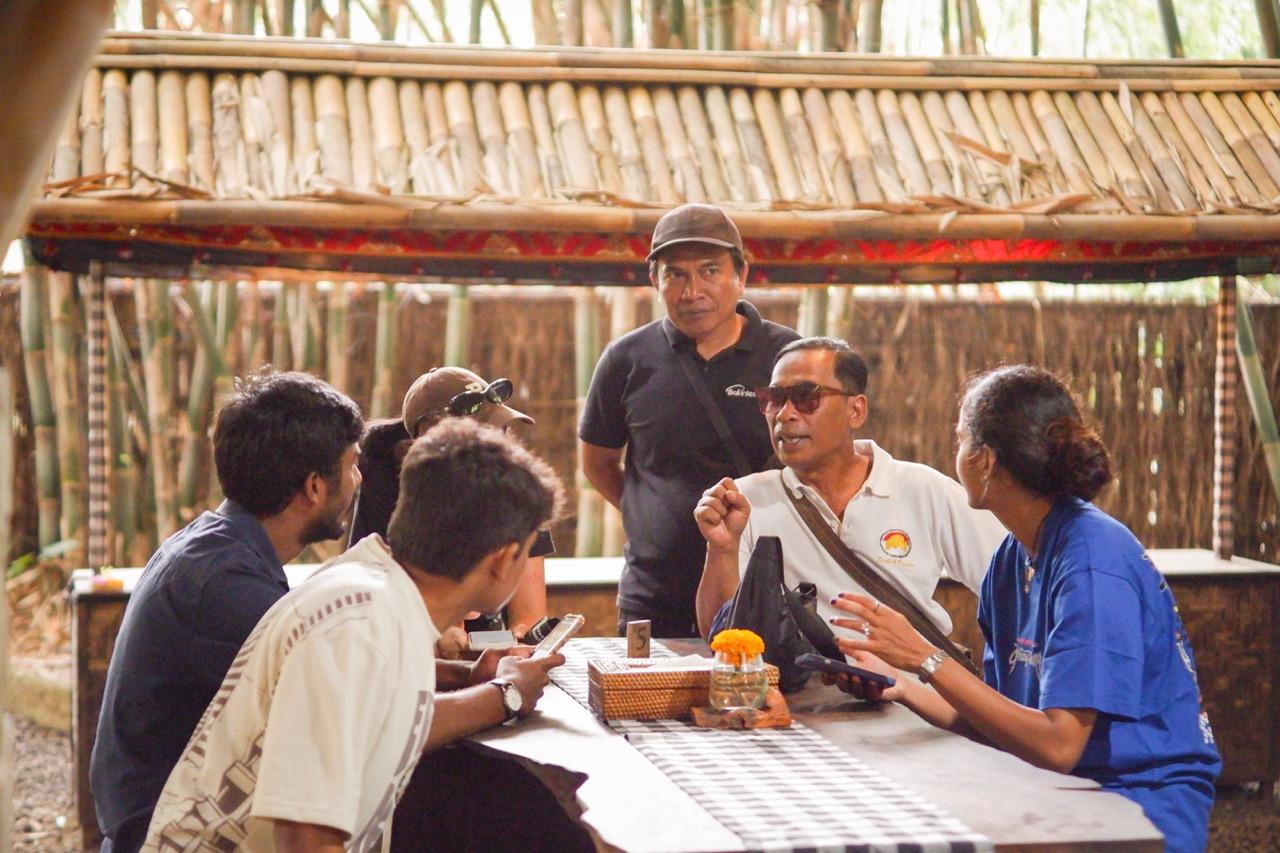
The BSDT students meet their professional mentors, Mr. Chiko, Mr. Deva, and Mr. Agung, during their introduction to Bali's architecture industry and working environment.
Five Students, One International Learning Experience
Living and working in Bali also introduced the BSDT cohort to the personal responsibilities and social experiences associated with spending an extended period abroad.
As part of the university group program, Bali Internships coordinated accommodation, transportation for academic activities, local assistance, and arrangements supporting the students throughout their stay. Outside their professional schedule, the students managed their daily routines, explored Bali independently, and developed friendships with people from different backgrounds.
For Shiva, adjusting to professional working hours gradually changed his daily routine and introduced a greater sense of personal discipline. Anjika valued the opportunity to learn through conversations with professionals while sharing her first experiences of Bali with four university friends.
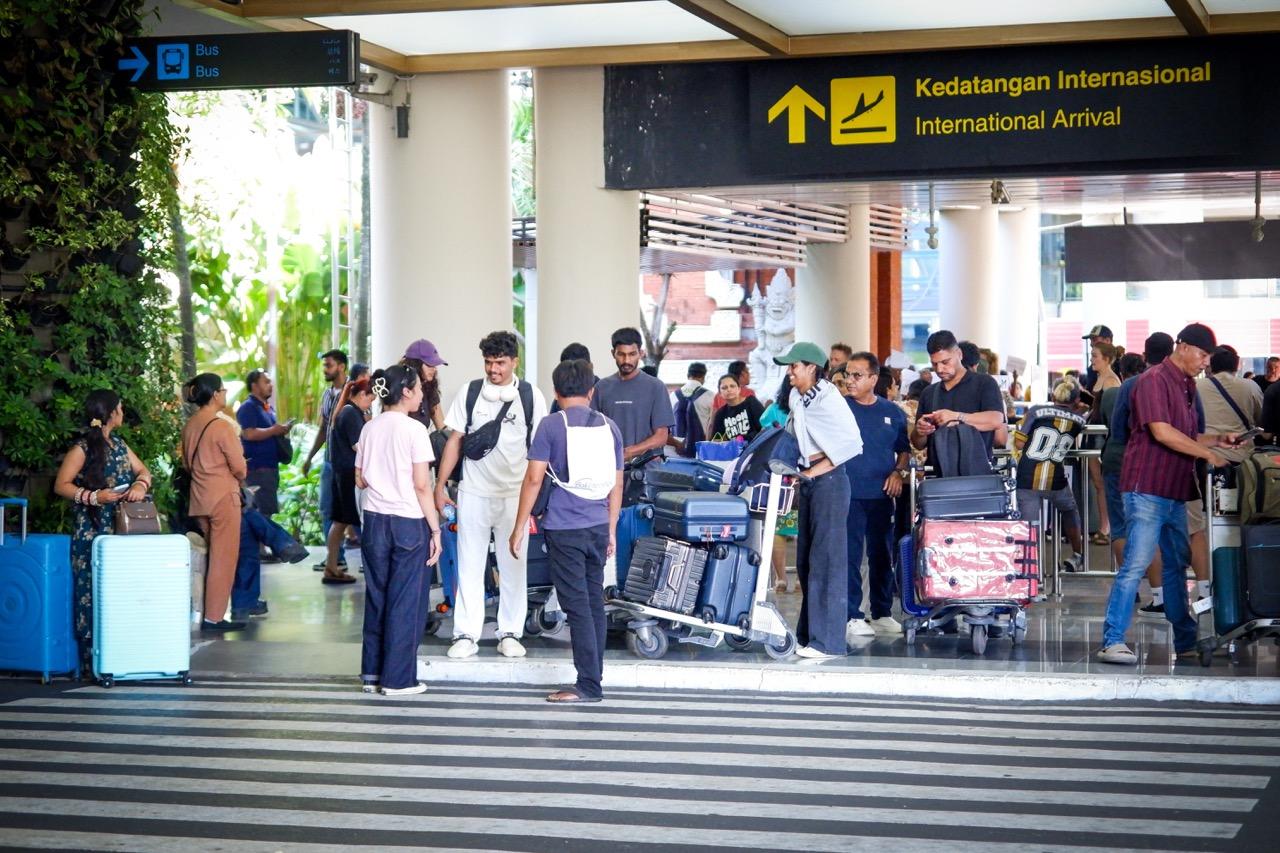
Just arrvied in Bali's International Airport! Some excited, others unsure what to expect, and all about to begin ten weeks of professional learning, new friendships, and experiences they would later reflect on with such fondness.
Alina's reflection was particularly personal. Before beginning the internship, she had doubted whether she could manage some of the professional responsibilities involved. As she gained experience working on architectural plans, sections, and design assignments, her confidence gradually improved.
"I thought I couldn't do it. But now that I'm here, I can do it," she explained.
Their time in Bali was also filled with experiences outside work, from exploring beaches and neighboring islands to joining Bali Internships' community gatherings. Alina even developed a new interest in surfing, regularly meeting friends from other internship programs for early morning sessions before heading to work.
These experiences became part of the wider international learning process, allowing the students to develop independence, communicate across cultures, and become more familiar with life outside their university environment.
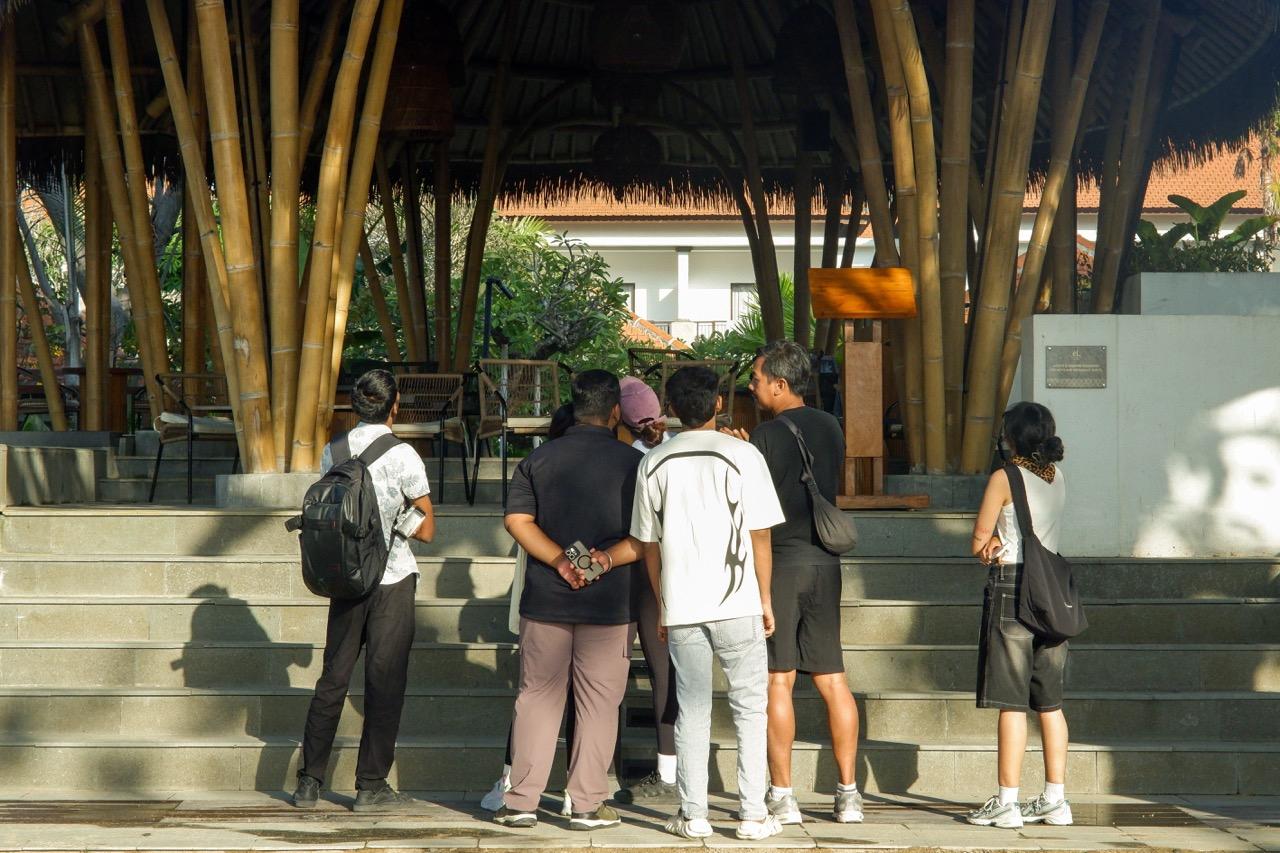
BSDT students join architect Mr. Chiko for a guided architectural walk at Byrd House, examining bamboo structures and learning directly from the designer.
Where Academic Knowledge Meets Real Architecture
One of the most distinctive elements of the BSDT collaboration was its complementary academic program, developed around the architectural subjects students were studying at university.
Alongside their weekday professional internships, the students participated in guided field lectures, specialist discussions, practical workshops, and architectural observations that connected academic concepts with real structures, materials, construction environments, and professional expertise in Bali.
The difference was the opportunity to examine architecture at the point where theory becomes physical reality.
Students could study bamboo as a construction material in their university coursework, then observe how it is selected, treated, shaped, connected, and assembled by craftspeople who work with it every day. They could encounter architectural drawings and design concepts during their internships, then visit completed structures to examine the decisions behind their construction, including aspects of functionality, maintenance, structural behavior, and environmental exposure.
The academic experience also extended to cultural and environmental considerations. Through conversations with specialist speakers and visits to architectural and heritage sites, students explored how climate, construction traditions, local knowledge, and community practices influence the design and use of buildings in Bali.
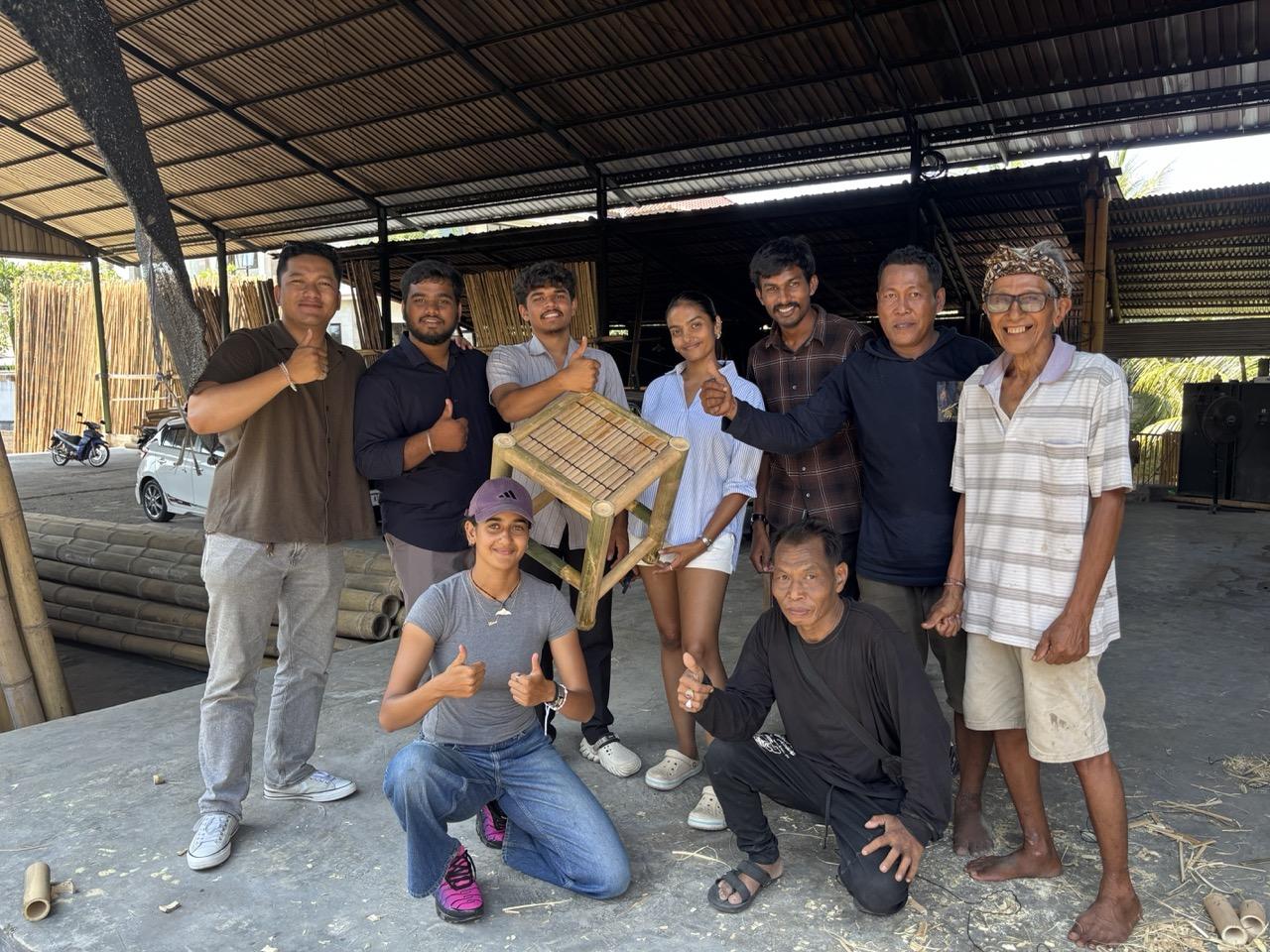
A proud moment for the BSDT students and local craftspeople after completing their handmade bamboo chair, bringing together construction techniques, patience, and teamwork.
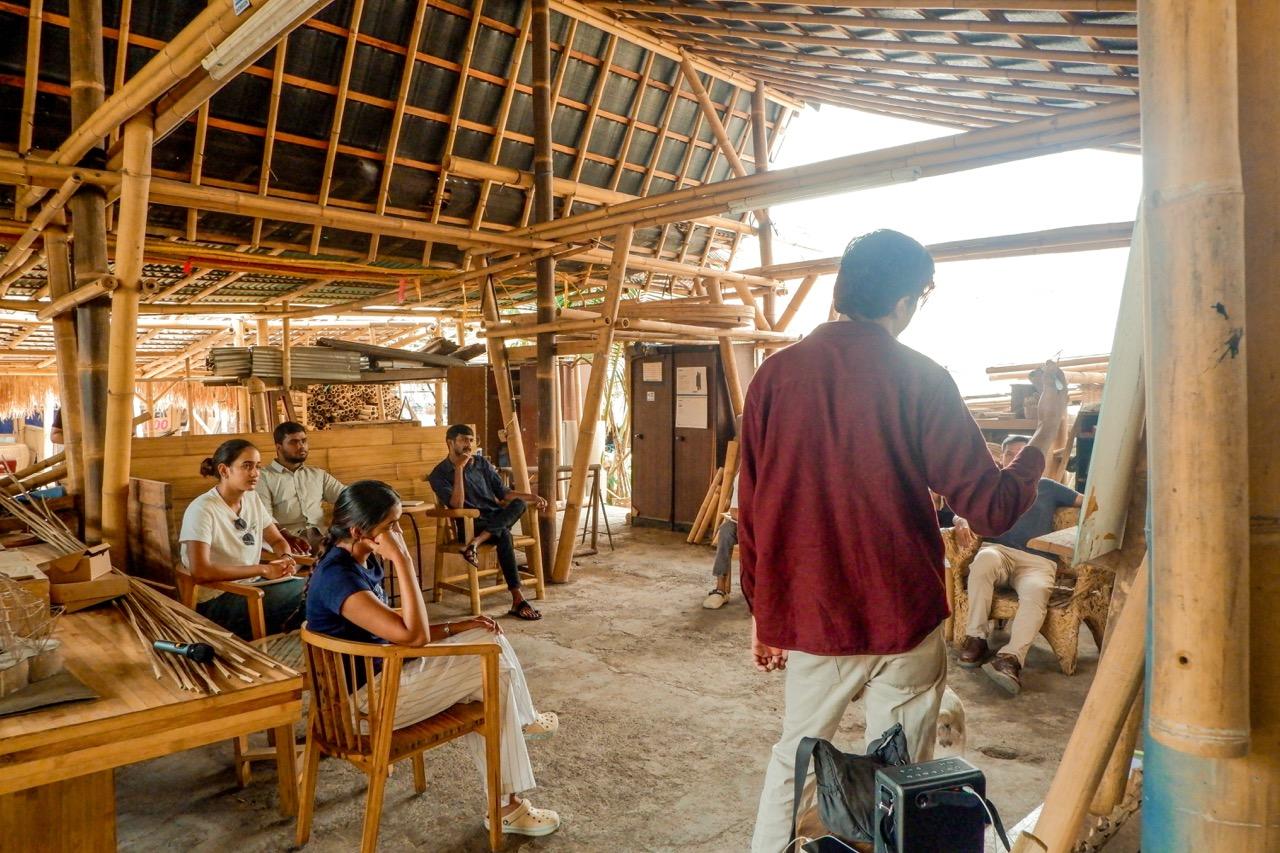
The hands-on bamboo workshop became one of the most memorable activities for the cohort. Working together with local artisans, the five students constructed a bamboo chair, learning about treatment processes, cutting techniques, joints, and assembly while experiencing the patience and coordination involved in making something with their own hands.
Several students independently identified this activity as a favorite during their final interviews. For Alina, it demonstrated the importance of teamwork. Darshan appreciated the technical knowledge involved in connecting bamboo elements, while Shiva gained a greater understanding of the skill and effort required in traditional craftsmanship.
These observations illustrate the educational purpose of the Saturday academic activities. Rather than repeating classroom instruction, the program gave students opportunities to examine the subjects they were studying through professional explanations, physical observation, practical experimentation, and direct interaction with the people who design and build.
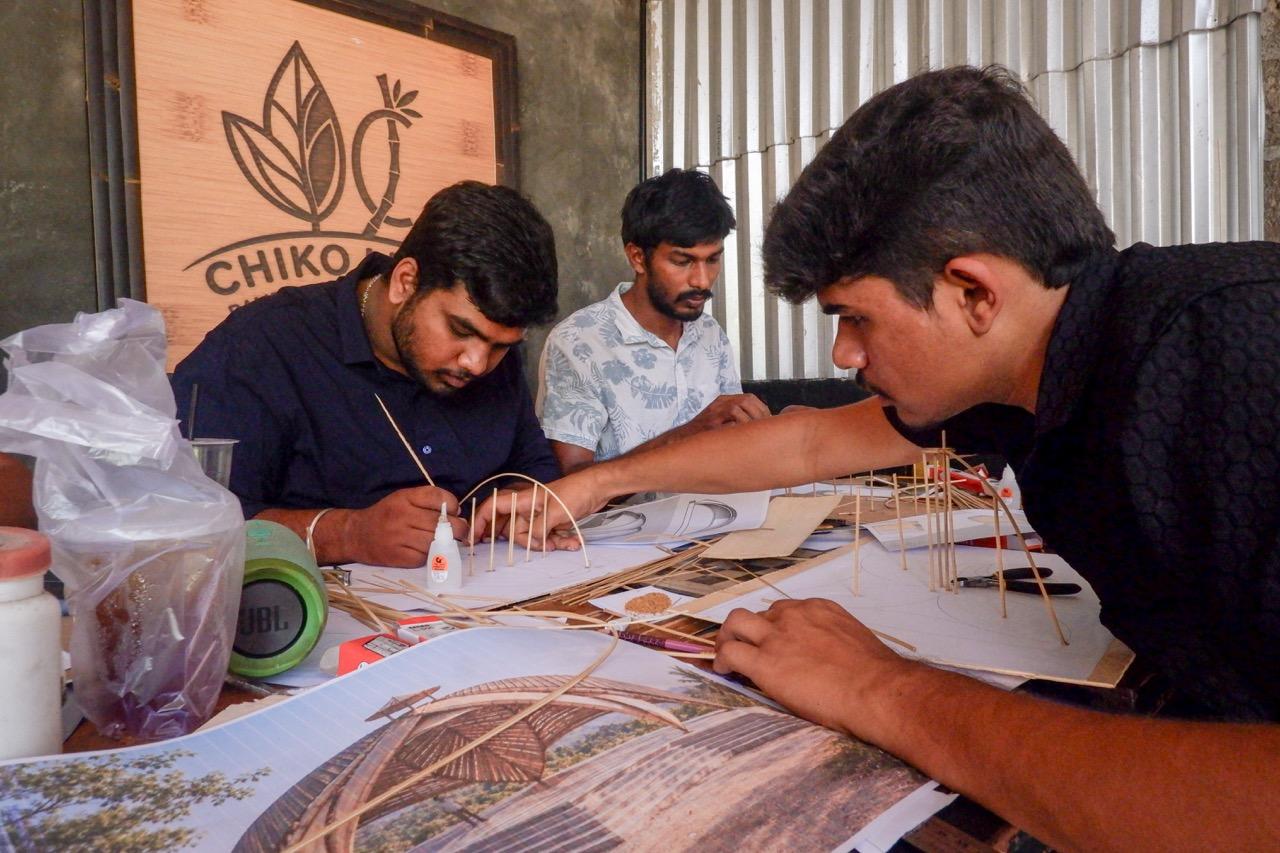
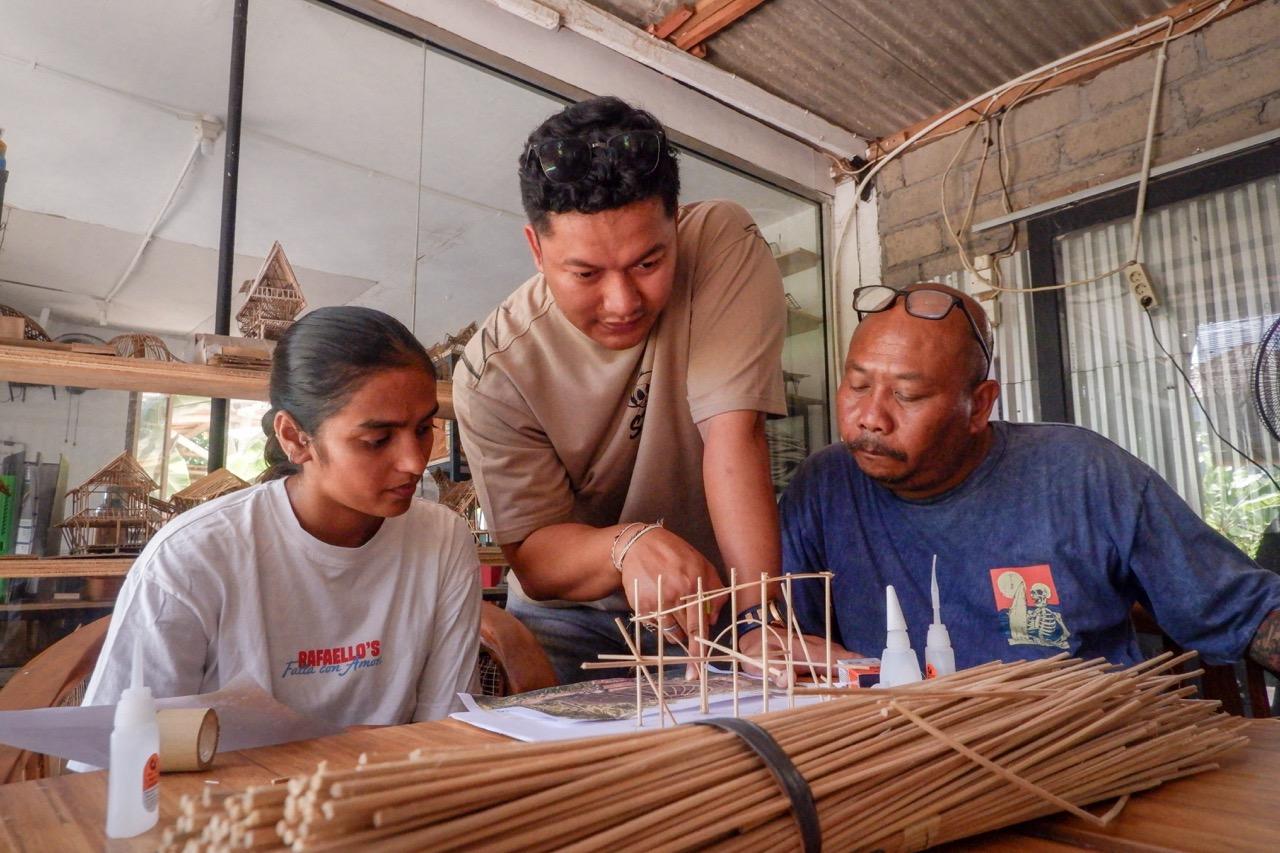
Gokul, Shiva and Darshan work on their architectural maquettes, translating design concepts into a physical model through practical guidance and professional collaboration.
Building a Broader Understanding of Architecture
The first BSDT architecture cohort demonstrated how a university group internship can incorporate professional responsibilities and complementary academic learning within one coordinated international experience.
For the students, the ten weeks in Bali offered different forms of development. They gained experience working on architectural assignments, learned from professional mentors, encountered new materials and construction methods, and observed how environmental and cultural conditions influence design decisions. They also developed greater independence, confidence, and familiarity with professional communication while living abroad.
The value of these experiences became particularly clear in their final interviews. Each student emphasized different aspects of the program, from solving technical design problems and understanding construction details to learning from craftspeople, developing professional relationships, and discovering greater confidence in their own abilities.
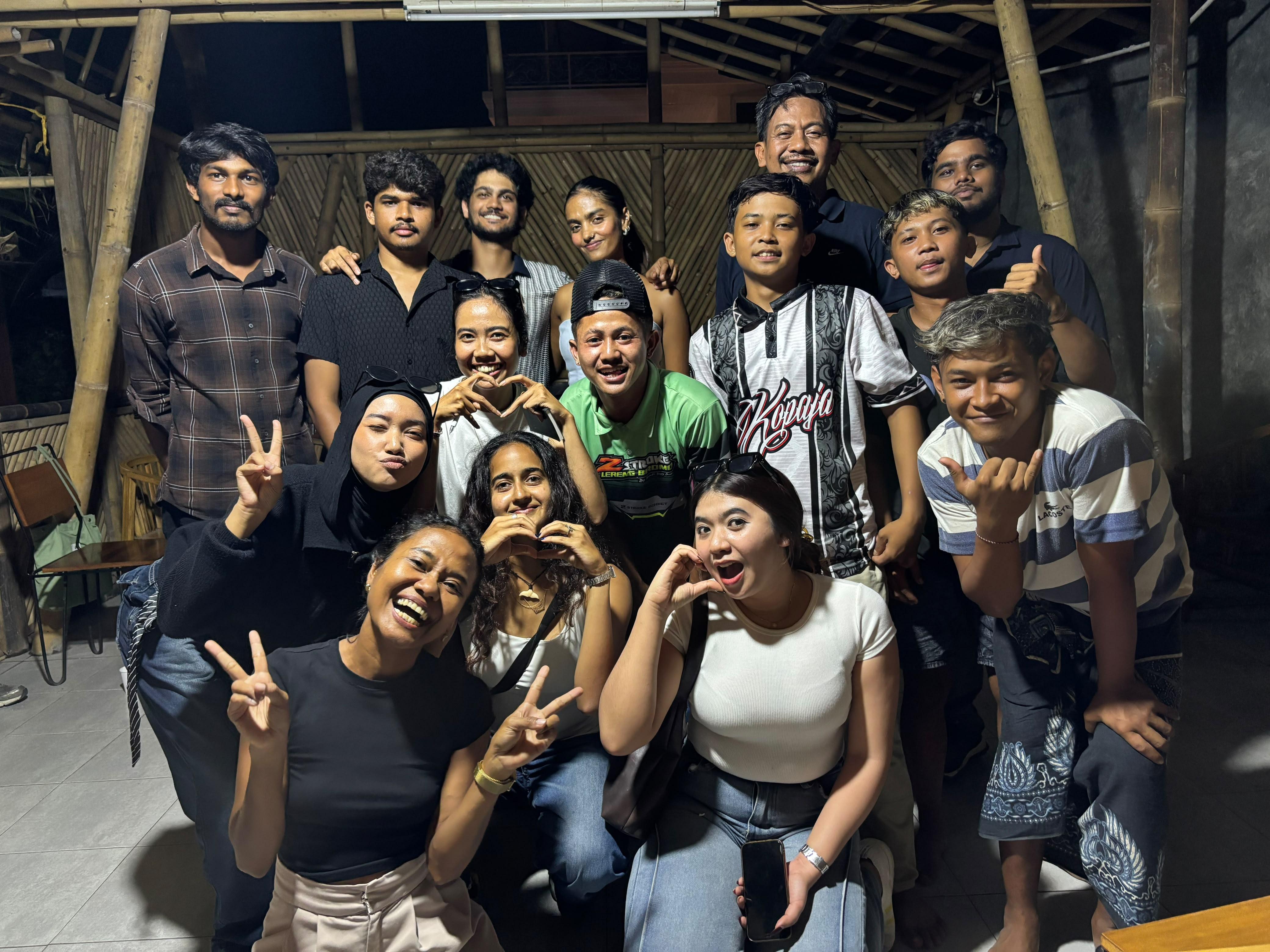
A farewell evening filled with laughter, music, dancing, and shared memories. BSDT students, architecture mentors, bamboo craftspeople, and the Bali Internships team celebrated ten weeks together, made even more meaningful by Mr. Chiko’s personal thank-you notes and farewell gifts for everyone.
For Bali Internships and BSDT, the collaboration established a foundation for connecting international professional placements with academic learning tailored to a university's educational objectives.
The program is now being documented through a collection of individual student interviews and academic field reports, examining the different experiences, professional contributors, and educational subjects that shaped the first cohort.
Together, these accounts provide a closer look at what happens when architecture students have the opportunity to move between university knowledge, professional design practice, and the built environments they are learning to understand. The experience was not limited to studying how architecture should work, but included observing how it is designed, constructed, maintained, and experienced by the people who use it.